
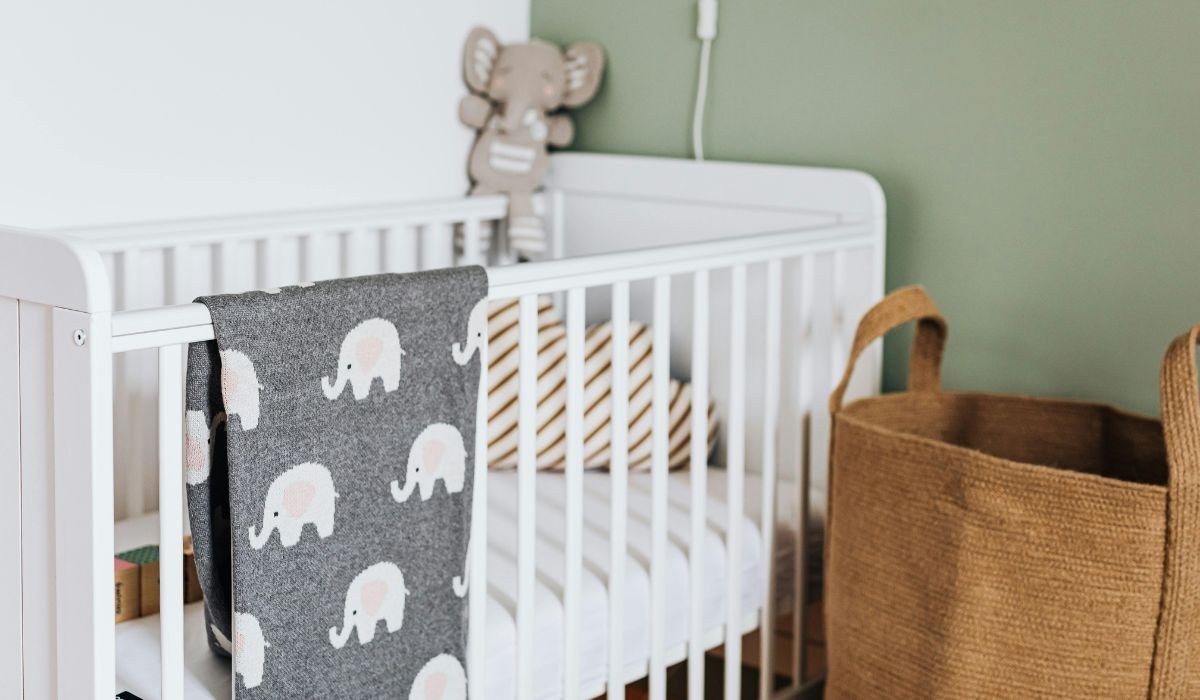
Preparing for a new baby often brings a powerful urge to nest. This phase goes far beyond decorating a nursery or purchasing baby gear. Nesting is about creating a home environment that supports safety, comfort, and emotional readiness for the changes ahead. It also involves preparing mentally and practically for new routines, responsibilities, and priorities. When approached thoughtfully, nesting can reduce stress, build confidence, and help families transition into this new chapter with greater ease.
Creating a Functional and Supportive Home Environment
A functional home matters more than a picture perfect one when preparing for a new arrival. Early weeks with a baby are often defined by interrupted sleep, limited time, and constant adjustments. Spaces should be arranged to make daily care easier rather than more complicated.
Start by evaluating traffic flow and accessibility. Items used most often, such as diapers, feeding supplies, and extra clothing, should be within easy reach. Consider creating small care stations throughout the home rather than relying on a single central area. This approach reduces unnecessary movement and conserves energy during long days and nights.
Safety is another critical piece. Anchoring furniture, covering outlets, and securing cords helps prepare the home not just for infancy, but for the months ahead as mobility increases. Small adjustments made early can prevent future stress and allow caregivers to focus more on connection than constant oversight.
Simplifying to Reduce Overwhelm
Nesting often triggers the realization that too much clutter competes for attention and space. Simplifying the home can have a direct impact on mental clarity, especially when energy and emotional bandwidth are limited.
This process does not require a full scale overhaul. Removing rarely used items, donating excess clothing, and storing nonessential decor can make routines smoother. Clear surfaces are easier to clean and reduce visual noise, which can be surprisingly grounding during challenging moments.
Simplification also extends to expectations. Accepting that the home will not always feel perfectly maintained creates space for flexibility and self compassion. A functional environment that supports rest and care is far more valuable than one that feels staged.
Preparing Emotionally for Shifting Roles
While physical preparation is important, mental readiness plays an equally vital role. A new arrival reshapes identity, relationships, and daily rhythms. Acknowledging these changes ahead of time can reduce feelings of disorientation or guilt when routines inevitably shift.
Partners and support networks benefit from open conversations about expectations. Discussing how responsibilities may be shared, how rest will be prioritized, and how communication needs may change helps create alignment. These discussions are less about rigid plans and more about building understanding and grace.
Individual mindset matters as well. Allowing room for uncertainty, learning, and growth helps new caregivers move through challenges with resilience. Nesting includes giving yourself permission to adapt rather than striving for immediate mastery.
Financial Readiness as Part of Nesting
Financial considerations are deeply connected to feelings of security during life transitions. Preparing for a new baby often prompts a reassessment of budgets, savings, and long term goals. This process can feel intimidating, but clarity tends to reduce anxiety.
Reviewing household expenses and anticipating new costs creates a more realistic picture of the months ahead. Adjusting spending to build a modest buffer can provide peace of mind, especially during parental leave or reduced work hours. For some families, conversations with a financial advisor in Portland or your area help frame these decisions within a broader plan, offering guidance without pressure or urgency.
Financial readiness is not about perfection. It is about awareness and intention, which allows families to focus more fully on care and connection once the baby arrives.
Establishing Routines Without Rigidity
Routine provides comfort, but flexibility ensures sustainability. Preparing the home for a new arrival includes setting up systems that support daily care while remaining adaptable.
This may involve organizing laundry flows, setting reminders for essentials, or preparing a few easy meals in advance. These small acts create breathing room during demanding weeks. At the same time, it is important to recognize that routines will evolve. What works one month may change the next.
Viewing routines as tools rather than rules allows families to respond to real needs rather than ideal scenarios. Nesting thrives when structure and flexibility coexist.
Conclusion
Nesting is a holistic process that weaves together physical preparation, emotional readiness, and practical planning. By shaping a home that prioritizes function, safety, and simplicity, and by preparing mentally for change, families create a supportive environment for both baby and caregivers. Financial awareness and adaptable routines further strengthen this foundation. When approached with intention and compassion, nesting becomes less about control and more about creating space for connection, growth, and confidence as a new chapter begins.