
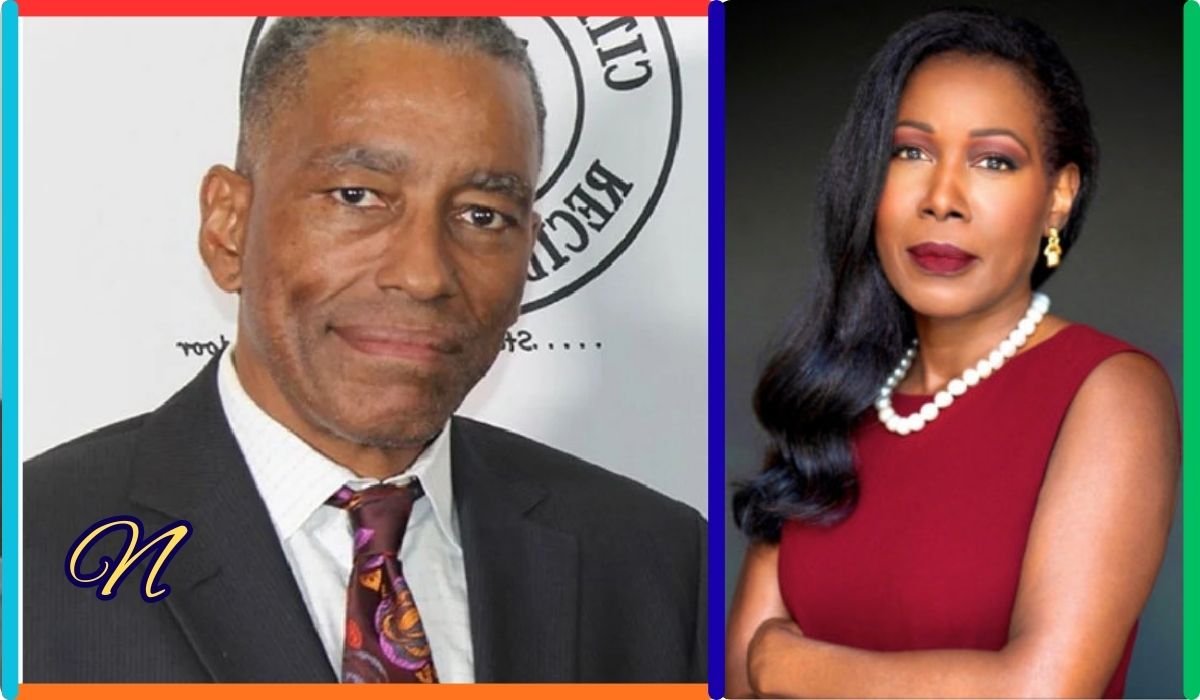
Roderick Jeffrey Watts is a name that may not often appear in headlines, but his contributions to psychology, education, and social justice have left a deep and lasting impact. Known as a respected psychologist, educator, and advocate for equality, Watts has spent decades working to improve lives—especially within marginalized communities. While some may recognize him as the husband of Pulitzer Prize-winning author Isabel Wilkerson, his own life story is rich, inspiring, and rooted in a deep commitment to service, compassion, and empowerment.
In this article, we take a close and human look at the life of Roderick Jeffrey Watts, beginning with his early family influences and extending to his academic philosophy, professional achievements, and quiet personal life. Through each chapter, we’ll uncover how his roots, values, and relationships have helped shape the way he teaches, mentors, and advocates for a better world.
Table of Contents
ToggleQuick Bio Information
| Personal Details | Information |
|---|---|
| Full Name | Roderick Jeffrey Watts |
| Profession | Psychologist, Professor, Social Justice Advocate |
| Specialization | Clinical-Community Psychology, Empowerment, Mental Health |
| Education | Ph.D. in Clinical-Community Psychology |
| Universities Taught At | CUNY Graduate Center, DePaul University, Stellenbosch Univ. |
| Nationality | American |
| Marital Status | Married to Isabel Wilkerson |
| Key Publication | Co-editor of Human Diversity: Perspectives |
| Advocacy Focus | Racial Equity, Youth Empowerment, Mental Health Access |
| Personal Interests | Reading, Music, Mindfulness, Community Engagement |
Early Life And Family Roots
Roderick Jeffrey Watts was raised in New York in an African American family deeply rooted in education and civic awareness. From a young age, he was immersed in an environment where conversations about fairness, identity, and responsibility were not abstract—they were part of everyday life. His mother worked as an office manager for an organization called Black Dimensions, which focused on addressing social and economic challenges in Black communities. Through her, Watts saw firsthand the importance of cultural pride and organized community efforts.
His father was a health planner, engaged in systems-level public health work that connected medical care with community infrastructure. These early experiences gave young Watts a unique lens: he learned to see the human experience as something shaped not only by psychology but by the social conditions people live in. The intersection of public health, community identity, and social change became the foundation of his later career.
Parental Influence On His Values
The influence of Watts’ parents was both subtle and profound. His mother’s work instilled in him the value of grassroots organizing and cultural visibility. She modeled what it meant to serve others with warmth, strength, and resolve. His father, by contrast, introduced him to larger systemic thinking—how decisions made at the policy level affect families, neighborhoods, and mental health outcomes.
Together, his parents taught him that justice isn’t just about laws; it’s also about dignity, opportunity, and access. These values would become the core of his worldview and the reason why he later chose to enter psychology—not to treat people in isolation but to help transform the environments they live in.
Education As A Turning Point
Driven by curiosity and a strong desire to understand how people thrive or struggle within their social contexts, Roderick Jeffrey Watts pursued a Ph.D. in Clinical-Community Psychology. This field was an ideal match for his growing interest in how individuals interact with—and are shaped by—their communities. Community psychology goes beyond individual diagnoses and explores how culture, power, identity, and systems influence mental wellness.
During his academic training, Watts focused on empowerment theory, identity formation, and resilience, particularly among African American youth. He learned qualitative and participatory research methods that involved real collaboration with the communities he studied. These methods would become hallmarks of his later academic and advocacy work, always centered on the belief that people must be partners in their own healing and growth.
Building A Purpose-Driven Career
Over the course of his professional life, Watts held teaching and research positions at several prestigious institutions, including the City University of New York Graduate Center, DePaul University, and Stellenbosch University in South Africa. But what sets his career apart is not simply where he taught—it’s how and why he taught.
Watts has long advocated for blending academic rigor with real-world relevance. His lectures often challenge students to think beyond textbooks and consider the societal implications of their work. He has also co-edited impactful academic publications, including Human Diversity: Perspectives, which addresses how race, culture, and identity must be central to any serious discussion of psychology. His work stands as a call to bring humanity back into scholarship.
A Personal Philosophy Rooted In Justice
At the heart of Watts’ work is a deep conviction: that psychology is not just a science—it’s a moral undertaking. He believes that understanding the human mind must go hand in hand with understanding power, privilege, and injustice. His research often focuses on how people, especially within marginalized communities, find ways to build psychological strength in the face of adversity.
Watts promotes a model of mental health that includes cultural pride, political awareness, and collective action. He teaches that healing is not just personal—it’s also social. This philosophy has made him a widely respected voice within the field of community psychology and a model for psychologists seeking to make a broader social impact.
Life Beyond The Lecture Hall
Though Watts has spent much of his life in academic institutions, his impact extends far beyond campus walls. He has worked closely with local schools, youth organizations, and nonprofits to create leadership and empowerment programs for young people of color. These initiatives are aimed at giving youth not just tools to succeed, but the confidence to shape their futures.
He also brings mindfulness, creativity, and humility to his personal life. Outside work, Watts enjoys reading widely—especially literature, history, and philosophy. Music plays a meaningful role in his life, often providing a peaceful balance to the seriousness of his work. Friends and colleagues often describe him as calm, deeply thoughtful, and driven by purpose rather than ego.
A Marriage Built On Shared Values
Roderick Jeffrey Watts is married to Isabel Wilkerson, one of America’s most influential authors on race, caste, and social history. Wilkerson, known for The Warmth of Other Suns and Caste: The Origins of Our Discontents, uses narrative to uncover deep truths about inequality and identity. Watts, in contrast, uses psychology and research to do much the same.
Together, they represent a rare and powerful intellectual partnership. While both are intensely private, their mutual respect and shared mission—to confront injustice and uplift the human experience—are evident in their respective careers. Their relationship, though rarely publicized, appears to be built on deep alignment in values, purpose, and vision.
Love, Family, And The Ongoing Influence Of His Roots
Throughout his life, Watts has remained grounded in the lessons he learned from his family. Even as he rose in academia and professional recognition, he continued to draw inspiration from the community values instilled in him during childhood. He has often spoken about the need to stay connected to the people we serve—an ethic that clearly stems from his upbringing.
His family, including his marriage, plays a steadying role in his life. Watts’ ability to stay humble and connected despite his achievements is part of what makes his story so inspiring. For him, family and community aren’t separate from success—they are the foundation of it.
Keeping A Low Profile With A Lasting Impact
In an age where personal branding and media attention often dominate public life, Roderick Jeffrey Watts is refreshingly low-key. He rarely appears in mainstream media or on social platforms. When he does attend events or speak publicly, it’s usually in the context of education, justice, or community healing.
Yet within academic and advocacy circles, his name carries enormous respect. He is regarded as a thought leader whose actions speak louder than appearances. For many, Watts represents the kind of integrity and quiet leadership that is sorely needed in today’s world—a figure who chooses substance over spotlight.
The Legacy Of A Life Well Lived
The true legacy of Roderick Jeffrey Watts lies in the lives he has touched—as a teacher, mentor, and advocate. His work has helped shape a generation of psychologists, educators, and community leaders who see mental health not just as a personal journey but as a social and cultural responsibility.
By bridging psychology with justice, and pairing theory with action, Watts has created a roadmap for those who want to change the world from the inside out. His life story is not just impressive—it’s deeply meaningful. For anyone seeking to understand how values, family, education, and service come together to form a purposeful life, Watts offers a remarkable example.
Final Thoughts
Roderick Jeffrey Watts’ journey is a quiet but powerful reminder that greatness is not always loud. It’s built through consistency, compassion, and conviction. From his early days in New York to his ongoing efforts to shape minds and uplift communities, Watts has lived a life dedicated to truth and transformation. While he may not seek the spotlight, his influence shines brightly through the people he has mentored, the systems he has challenged, and the dignity he brings to everything he does.
FAQs About Roderick Jeffrey Watts
Who Is Roderick Jeffrey Watts?
Roderick Jeffrey Watts is an American psychologist and professor known for his work in clinical-community psychology, mental health advocacy, and social justice. He has spent decades teaching and mentoring students, promoting equality, and working with underserved communities.
What Is His Educational Background?
Watts earned his Ph.D. in Clinical-Community Psychology. His academic training focused on how mental health is shaped by community, culture, and systemic factors, especially in marginalized populations.
Where Has He Taught?
Watts has held academic positions at institutions such as the City University of New York Graduate Center, DePaul University in Chicago, and Stellenbosch University in South Africa.
What Are His Core Research Interests?
His work focuses on empowerment theory, identity development, racial equity, and the intersection between psychology and social conditions. He also emphasizes qualitative, community-based research methods.
Is Roderick Jeffrey Watts Married?
Yes, he is married to Pulitzer Prize-winning author Isabel Wilkerson. They are known for their shared dedication to justice, truth, and social reform through different disciplines.
What Are Some Of His Contributions Outside Academia?
Watts has worked with youth programs, community organizations, and social justice initiatives aimed at promoting leadership, mental health access, and empowerment for underserved groups.
Why Is He Considered Influential?
Watts is respected for his integrity, his commitment to blending psychology with activism, and his mentorship of students and future leaders. His work continues to influence how mental health is taught and practiced in community contexts.