
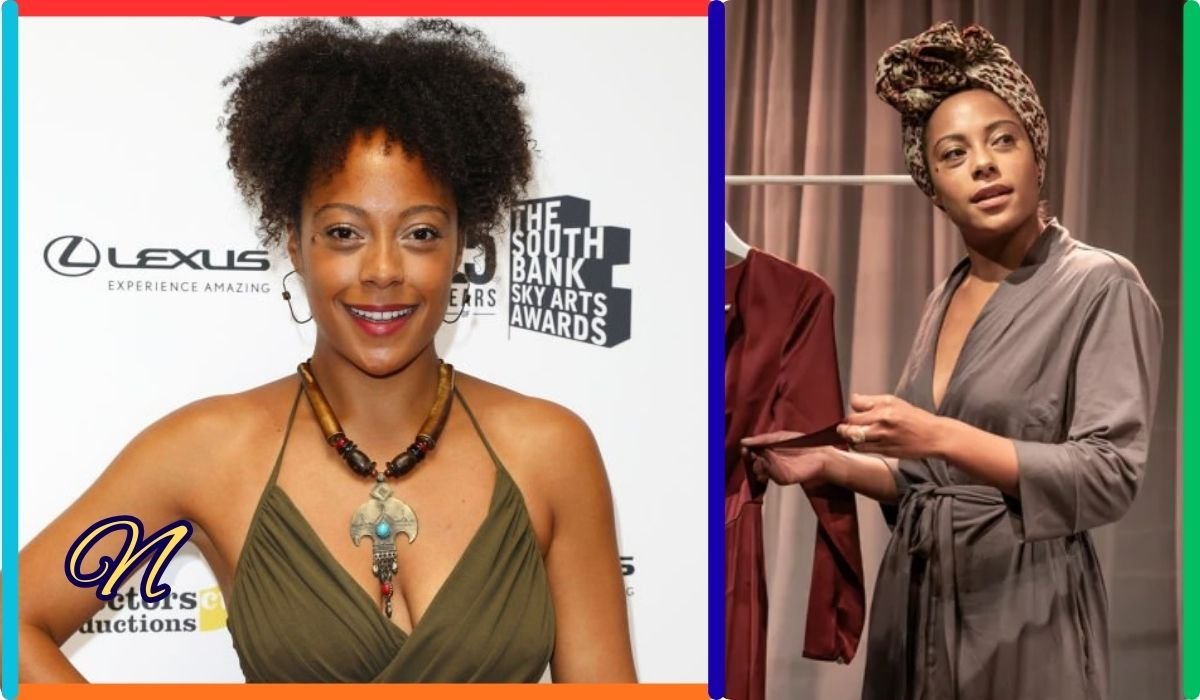
Curiosity about Rosalind Eleazar Fingers has grown steadily over the past year. Viewers began asking questions after seeing the talented British actress on screen, wondering why her hands look different. In the age of social media, even small details can spark widespread attention. But behind that curiosity lies a simple and medically understood explanation.
Rosalind Eleazar is known for her powerful performances and strong stage background. Yet, as her fame rises, so does public interest in her personal story. This article explores the real story behind her unique hands, explains the medical condition involved, and shifts the focus back to what truly matters—her remarkable career and contribution to modern television.
Quick Bio Information
Full Name Rosalind Eleazar
Date Of Birth 29 August 1988
Age In 2026 37 Years Old
Place Of Birth London England
Nationality British
Ethnicity Ghanaian And British Heritage
Education Gordonstoun School
University University Of Nottingham
Drama Training London Academy Of Music And Dramatic Art
Profession Actress
Known For Slow Horses
Notable 2025 Role Missing You
Film Credit The Personal History Of David Copperfield
Award Clarence Derwent Award
Marital Status Married
Spouse Gabriele Lo Giudice
Height 5 Feet 3 Inches
Hair Color Black
Eye Color Dark Brown
Who Is Rosalind Eleazar?
Rosalind Eleazar was born on 29 August 1988 in London, England. She grew up in a multicultural household with a Ghanaian father and a British mother. From an early age, she showed strong academic and artistic talent. She later studied Chinese and Spanish at the University of Nottingham before training professionally at the London Academy of Music and Dramatic Art.
Her acting journey began on stage, where she built a reputation for emotional depth and classical training. Over time, she transitioned to television and film. She gained wider recognition for her role as Louisa Guy in Slow Horses, a critically acclaimed spy series. In 2025, she appeared in the Netflix thriller Missing You, which introduced her to a broader international audience.
As her visibility increased, so did online searches related to Rosalind Eleazar Fingers.
What Is Different About Rosalind Eleazar Fingers?
Viewers noticed that her fingers appear shorter and shaped differently from what many consider typical. The difference is visible in close-up scenes, especially in dramatic roles where hand gestures are expressive.
There is no injury or accident behind the appearance of Rosalind Eleazar Fingers. Instead, the explanation is medical and present since birth. Her hands reflect a rare congenital condition that affects finger development during pregnancy.
Understanding this requires looking at a condition known as Symbrachydactyly.
What Is Symbrachydactyly?
Symbrachydactyly is a rare congenital hand condition that affects the formation of fingers. The name comes from Greek roots meaning “short joined fingers.” It occurs during fetal development and leads to shortened, missing, or fused digits.
In simple terms, Symbrachydactyly happens when parts of the hand do not fully form before birth. The bones, muscles, and soft tissues may not develop as expected. The severity varies. Some individuals have only slightly shorter fingers, while others may have more noticeable differences.
Importantly, Symbrachydactyly Explained in medical literature confirms that it usually affects only one hand and does not impact overall health. It is considered a structural difference rather than a life-threatening disease.
What Causes Symbrachydactyly?
Medical research suggests that Symbrachydactyly develops early in pregnancy. Doctors believe it is linked to reduced blood flow to the developing limb. When the blood supply is interrupted, tissues may not grow fully.
It is not typically inherited. Most cases are isolated and not connected to family history. This means parents do not pass it down through genes in most situations.
The exact cause remains under study. However, leading pediatric orthopedic research agrees that it is not caused by lifestyle choices during pregnancy. It is simply a rare developmental variation.
Was Rosalind Eleazar Born With The Condition?
Yes. Rosalind Eleazar Fingers have looked this way since birth. The condition is congenital, meaning it was present from the moment she was born.
There is no evidence of surgery to change the structure of her hands. Some individuals with Symbrachydactyly choose reconstructive procedures to improve mobility or appearance. Others do not. Decisions depend on comfort, function, and personal choice.
In her case, there is no public record indicating surgical intervention.
Does The Condition Affect Her Health Or Career?
One of the most important clarifications is that Symbrachydactyly does not affect intelligence, life expectancy, or overall health. It is limited to hand structure.
In fact, Rosalind Eleazar’s career proves that the condition has not limited her professionally. She has performed complex stage roles, dramatic television characters, and voice work. Acting requires emotional control, memorization, physical awareness, and confidence—skills she clearly possesses.
Her award-winning theatre work, including performances in major London productions, highlights that talent always outweighs physical difference.
Has Rosalind Eleazar Spoken About Her Hands?
As of 2026, Rosalind Eleazar has not publicly discussed her hands in depth. In interviews, she focuses on storytelling, character development, and creative collaboration.
This approach reflects a broader trend among performers who prefer to let their work define them. Public figures are not obligated to explain personal physical differences. Respect for privacy remains important.
By not making Rosalind Eleazar Fingers the center of her identity, she keeps attention on her craft.
Representation In Modern Television
The visibility of performers with physical differences matters. When audiences see diverse bodies on screen without the story focusing on the difference, it normalizes inclusion.
Modern British television has made significant progress in casting diversity. Actresses like Rosalind Eleazar represent a broader, more realistic image of society.
Rather than being defined by a Rare Hand Condition, she is defined by her ability to portray complex characters with strength and authenticity.
Career Highlights And Professional Growth
Rosalind Eleazar’s theatre background shaped her acting foundation. She trained rigorously at LAMDA, one of the UK’s most respected drama schools. Her stage work earned her the Clarence Derwent Award for Best Supporting Female.
On screen, she has appeared in period dramas, thrillers, and contemporary series. In The Personal History of David Copperfield, she played Agnes, showcasing her classical acting ability.
Her performance in Slow Horses brought her international recognition, while Missing You expanded her streaming audience. By 2025, she stands as one of Britain’s most respected rising screen actors.
Public Curiosity And Social Media Attention
Interest in Rosalind Eleazar Fingers increased after close-up scenes in Missing You circulated online. Social platforms often amplify visual differences quickly.
However, most discussions have remained respectful. Many viewers simply wanted accurate information rather than speculation.
Providing factual education about Symbrachydactyly helps prevent misinformation. Awareness reduces stigma.
Medical Perspective On Living With Symbrachydactyly
Orthopedic specialists describe Symbrachydactyly as manageable. Occupational therapy during childhood can improve hand function if needed. Some children use prosthetic digits or undergo surgical reconstruction. Others adapt naturally without intervention.
Adults with the condition often lead completely independent lives. Hand strength and dexterity vary, but many individuals develop strong adaptive skills.
The key point is that it does not define capability.
Breaking Misconceptions
A common misunderstanding is that visible hand differences must result from injury. In the case of Rosalind Eleazar Fingers, that is not true.
Another myth is that congenital hand conditions are genetic or inherited. Most cases are sporadic and not passed down.
Clear information replaces guesswork. That clarity benefits both public understanding and respectful conversation.
Why This Story Matters In 2025
In 2025, conversations around representation, disability awareness, and body diversity are more thoughtful than ever. Stories like this help shift public dialogue from curiosity to understanding.
Instead of focusing only on appearance, the discussion becomes educational. That shift encourages empathy and knowledge.
Rosalind Eleazar’s continued success demonstrates that visible differences do not limit opportunity in creative industries.
Final Thoughts
The real story behind Rosalind Eleazar Fingers is simple. She was born with Symbrachydactyly, a rare congenital hand condition that affects finger formation. It does not impact her health, intelligence, or acting ability.
What truly defines Rosalind Eleazar is her dedication to craft, her powerful stage presence, and her growing influence in modern television. Curiosity is natural, but understanding is better.
By learning about conditions like Symbrachydactyly Explained clearly and respectfully, we move toward a more informed and inclusive society. Her hands may look unique, but her talent is what truly stands out.
FAQs About Rosalind Eleazar Fingers
What Happened To Rosalind Eleazar Fingers?
Rosalind Eleazar was born with Symbrachydactyly, a congenital condition that causes shortened or differently formed fingers. It is not the result of injury or illness.
Is Symbrachydactyly A Genetic Disorder?
In most cases, it is not inherited. It usually occurs randomly during early pregnancy due to changes in blood flow to the developing limb.
Does The Condition Affect Her Acting Career?
No. Symbrachydactyly does not affect intelligence, speech, memory, or overall health. Rosalind Eleazar has built a successful career in theatre and television.
Has She Had Surgery On Her Hands?
There is no public record confirming that she has undergone surgery for her hands.
When Did People Start Noticing Her Fingers?
Public curiosity increased in early 2025 after the release of Missing You, when viewers noticed her hands in close-up scenes.
Is Symbrachydactyly Rare?
Yes. It is considered a rare congenital hand condition. However, many individuals live full and active lives with it.
People Also Read: Joel Smollett: The Untold Story Of The Father Behind The Famous Smollett Family