
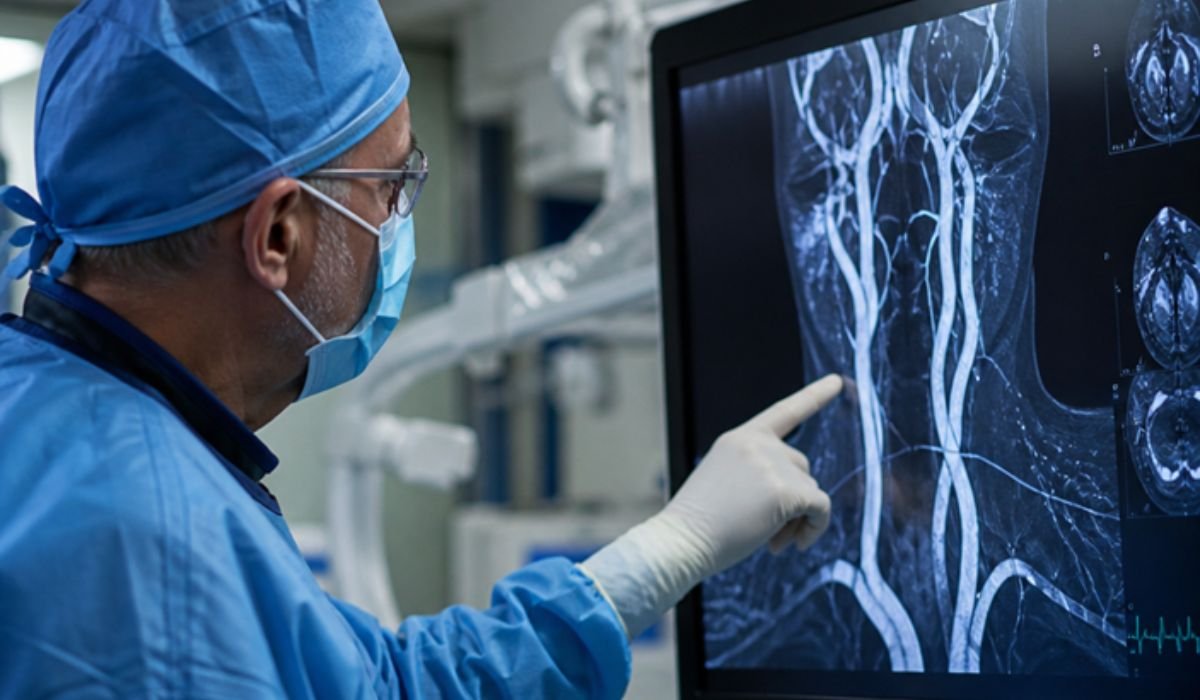
Carotid artery disease is one of the most significant yet frequently underestimated cardiovascular conditions affecting adults worldwide. Located on either side of the neck, the carotid arteries are responsible for delivering oxygen-rich blood to the brain. When these arteries become narrowed or blocked — typically due to the buildup of fatty deposits known as plaque — the risk of stroke increases dramatically. Understanding this condition, its warning signs, and the treatment options available is essential for anyone concerned about long-term neurological and cardiovascular health.
What Is Carotid Artery Disease and Why Does It Matter?
Carotid artery disease, also referred to as carotid artery stenosis, develops gradually over time. The process begins with atherosclerosis — the hardening and narrowing of arteries caused by plaque accumulation. This plaque is composed of cholesterol, fat, calcium, and other substances found in the blood. As it builds up along the inner walls of the carotid arteries, blood flow to the brain becomes restricted. In some cases, a piece of plaque can break off and travel to the brain, causing a transient ischemic attack (TIA) or a full stroke.
What makes this condition particularly dangerous is that it often develops without noticeable symptoms until a serious event occurs. Many patients are unaware they have significant arterial narrowing until a stroke or TIA prompts medical investigation. This is why routine screening and awareness of risk factors are so critically important.
Key Risk Factors and Who Is Most Vulnerable
Several well-established risk factors contribute to the development of carotid artery disease. High blood pressure remains the most prominent, as sustained hypertension places excessive stress on arterial walls, accelerating plaque formation. Elevated cholesterol levels, particularly high LDL cholesterol, also play a central role. Smoking is another major contributor — the chemicals in tobacco smoke damage blood vessel linings and promote inflammation, creating ideal conditions for plaque buildup.
Lifestyle and Genetic Contributors
Diabetes, obesity, and physical inactivity further increase the likelihood of developing this condition. Individuals with a family history of cardiovascular disease or stroke are also at elevated risk. Age is a non-modifiable factor — the risk increases significantly after the age of 55, and men tend to develop the condition earlier than women, though women catch up in risk levels after menopause. Understanding these factors allows both patients and clinicians to take a proactive approach to prevention and monitoring.
Recognizing the Warning Signs
As mentioned, carotid artery disease is often silent in its early stages. However, when symptoms do appear, they typically signal that a TIA or stroke may be imminent. Warning signs include sudden weakness or numbness on one side of the face, arm, or leg; difficulty speaking or understanding speech; sudden vision problems in one or both eyes; and unexplained dizziness or loss of balance. These symptoms, even if they resolve quickly, should never be ignored. A TIA — sometimes called a “mini-stroke” — is a medical emergency and a strong predictor of a future, more severe stroke.
The Role of Diagnostic Imaging
Diagnosis typically involves a combination of physical examination and advanced imaging techniques. A physician may detect an abnormal sound called a bruit over the carotid artery using a stethoscope. This finding often prompts further investigation through carotid ultrasound, which uses sound waves to visualize blood flow and detect narrowing. CT angiography and MRI angiography provide even more detailed images of the arteries, helping clinicians determine the degree of stenosis and plan appropriate treatment. Just as multilayer PCB structures rely on precise layering and imaging to ensure signal integrity, modern vascular diagnostics depend on layered imaging technologies to accurately map arterial health and guide clinical decisions.
Treatment Options: From Medication to Surgery
Treatment for carotid artery disease depends on the severity of arterial narrowing and the patient’s overall health profile. For mild to moderate stenosis, lifestyle modifications combined with medication are typically the first line of defense. Statins are prescribed to lower cholesterol and stabilize plaque. Antihypertensive medications help control blood pressure, while antiplatelet drugs such as aspirin reduce the risk of blood clots forming on the plaque surface.
Surgical and Minimally Invasive Interventions
For patients with severe stenosis — particularly those who have already experienced a TIA or stroke — more aggressive intervention is often warranted. Carotid endarterectomy is a well-established surgical procedure in which the surgeon removes plaque directly from the carotid artery to restore normal blood flow. Carotid artery stenting is a less invasive alternative, involving the placement of a small mesh tube inside the artery to keep it open. The choice between these procedures depends on factors such as the patient’s age, the location of the blockage, and the presence of other medical conditions. For those considering minor procedural interventions in a primary care setting, it is worth reviewing guidance on minor surgery in primary care to understand what can be safely managed outside of a hospital environment.
Cleveland Clinic Abu Dhabi: Expert Vascular Care in the Region
For patients in the UAE and the broader Middle East region seeking world-class vascular care, Cleveland Clinic Abu Dhabi stands as a premier destination. The institution brings together internationally trained specialists who employ the latest diagnostic tools and evidence-based treatment protocols. With a multidisciplinary approach that integrates cardiology, neurology, and vascular surgery, the team is equipped to manage even the most complex cases with precision and compassion. Patients benefit from individualized care plans that address not only the arterial condition itself but also the underlying risk factors that contribute to disease progression.
Understanding carotid artery disease and seeking timely evaluation at a trusted institution like Cleveland Clinic Abu Dhabi can be the difference between a preventable stroke and a life-altering neurological event. Their specialists offer comprehensive assessments, from initial screening to advanced surgical intervention, all within a patient-centered environment that prioritizes safety and outcomes.
Prevention: The Most Powerful Tool Available
Prevention remains the most effective strategy against carotid artery disease. Adopting a heart-healthy diet rich in fruits, vegetables, whole grains, and lean proteins can significantly reduce plaque formation. Regular aerobic exercise strengthens the cardiovascular system and helps maintain healthy blood pressure and cholesterol levels. Quitting smoking is perhaps the single most impactful lifestyle change a person can make, as it rapidly reduces arterial inflammation and improves overall vascular health.
The Importance of Regular Screening
For individuals over the age of 50 with one or more risk factors, regular screening for carotid artery disease is strongly advisable. A simple, non-invasive carotid ultrasound can detect narrowing before symptoms develop, allowing for early intervention that dramatically reduces stroke risk. Discussing screening options with a primary care physician or vascular specialist is a proactive step that could prove life-saving.
Conclusion
Carotid artery disease is a serious but manageable condition when identified and treated early. From understanding the underlying mechanisms of atherosclerosis to recognizing warning signs and exploring treatment pathways, informed patients are far better positioned to protect their neurological health. Whether through lifestyle changes, medication, or surgical intervention, the goal remains consistent: preserve blood flow to the brain and prevent stroke. With access to expert vascular care and a commitment to proactive health management, the risks associated with this condition can be substantially reduced.